
Counterfeit beauty products found to contain mercury, lead and methanol
Four in ten counterfeit cosmetics tested by Trading Standards contained potentially harmful substances, prompting the Intellectual Property Office (IPO) to launch its Face the Fakes campaign.
Trading Standards tested 50 seized counterfeit cosmetic products spanning skincare, make-up and fragrance, with 20 failing on safety grounds.
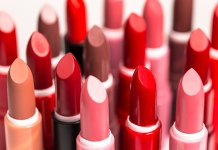
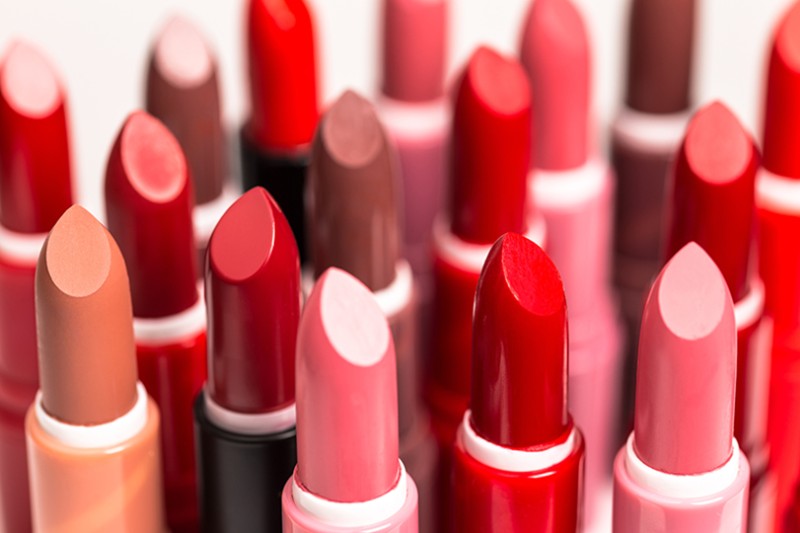
Tests found a counterfeit skin-lightening cream containing 1.32% mercury, equivalent to 13,200 parts per million. High levels of lead were detected in several counterfeit lipsticks, eyeshadows and contour products, including 40 mg/kg in one contour kit.
Nicotine was detected in a counterfeit perfume, while one counterfeit fragrance contained around 80% methanol. Another skin-lightening cream contained 8.1% hydroquinone, which is prohibited in cosmetic skin-lightening products in the UK.
The findings come amid evidence of growing counterfeit beauty purchases among younger consumers. IPO research published in September 2026 found that 20% of 18 to 24-year-olds who bought beauty products in 2025 knowingly purchased counterfeits, compared with 6% in 2023.
Online purchasing is also significant, with 71% of people who bought counterfeit cosmetics and toiletries doing so online.
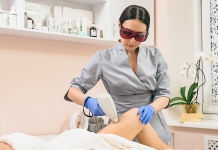
The campaign is working with the beauty industry and content creators to raise awareness of the potential risks. The IPO is also sharing new guidance for salons, beauty professionals and smaller businesses through trade bodies, including advice on spotting warning signs and sourcing products from trusted suppliers.
Helen Barnham, Head of Enforcement Engagement at the IPO, said counterfeiters can exploit trusted brand names while bypassing the safety standards legitimate businesses must meet.
The campaign advises consumers to check sellers carefully, question unusually low prices and avoid using products they suspect may be fake.