
Alopecia Awareness Month: How to support clients with hair loss
Amy Johnson advises how you should navigate sensitive conversations around alopecia.
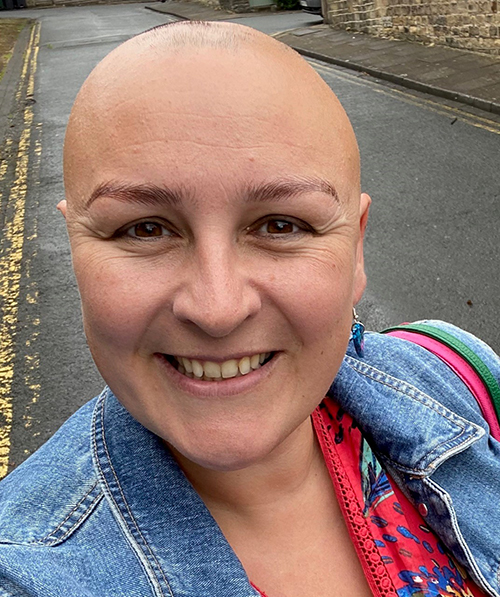 As a hairdresser, your role often extends beyond cutting and styling hair, you become a trusted confidant, an observer of subtle changes and a source of comfort for your clients.
When it comes to noticing signs of hair loss, your awareness and approach can make a significant difference in a client's emotional well-being and journey to professional support.
Understanding alopecia
Alopecia is an umbrella term for hair loss, which can range from minor thinning to complete baldness. Common types include:
- Alopecia areata – patchy hair loss, often sudden and unpredictable.
- Androgenetic alopecia – also known as male or female pattern baldness.
- Telogen effluvium – diffuse shedding typically triggered by stress or illness.
- Traction alopecia – hair loss from repeated tension or styling.
Understanding these types allows you to better recognise signs and speak with informed compassion.
Approaching the conversation
Observe carefully: Notice patterns in hair thinning, bald patches, or changes in scalp condition during your routine services. Document these observations, if necessary, especially with long-term clients.
Create a safe, private space: Choose a quiet moment or private area to speak. Avoid discussing hair loss in front of others or in a way that could cause embarrassment.
Use empathetic language: Try saying: “I've noticed some changes in your hair recently, have you noticed the same?” or “I'm not sure if you're already aware but I have noticed a small bald patch at the back of your scalp. If you are concerned, you might wish to speak to your GP.”
Don't assume or diagnose: Never claim to know the cause of hair loss. Avoid statements like “You have alopecia” or “This is definitely stress-related.” You're not a medical professional, stick to observations and support.
Try not to minimise their experience: Avoid comments such as “it's just hair” or “it's not that bad.” Hair is often tied to feelings of identity and self-confidence. Hair loss can have a big emotional impact.
Signposting clients to help and advice
If a client opens up about hair loss, gently suggest they seek advice from professionals who can provide a diagnosis and treatment plan. Offer the following guidance:
Medical professionals
- A GP is the first port of call, and may refer them to a dermatologist for specialist advice.
- A trichologist specialises in hair and scalp health and can provide non-medical assessments and advice. If a client is wanting to go down this route, suggest that they see one registered with The Institute of Trichologists.
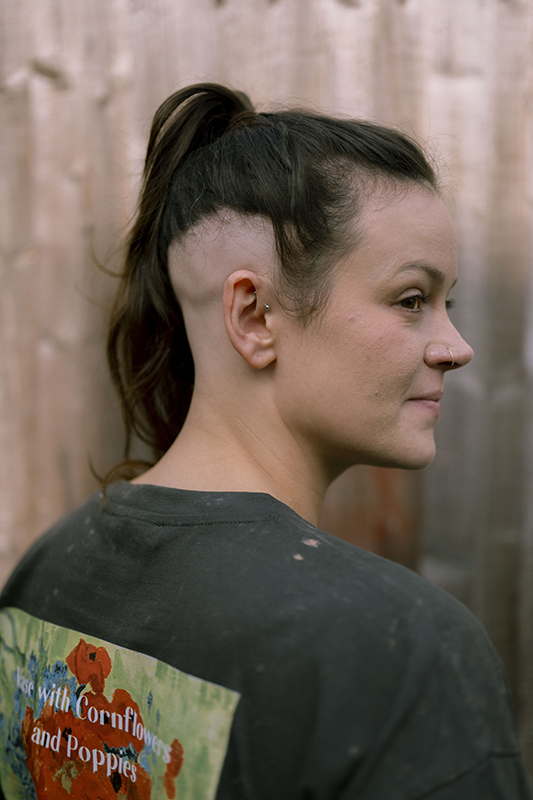 Charity support
Alopecia UK provides support, community and education to those affected by alopecia. The charity's
website contains information and advice pages, including tips of living well with alopecia, and how to advocate for yourself within the NHS.
Alopecia UK provides opportunities for people affected by alopecia to connect, share practical advice and feel less isolated.
Practical hairdressing help
Style solutions: Offer hairstyles or cuts that make thinning hair, or a bald patch, less noticeable.
Wig and hairpiece guidance: Help your clients with choosing and styling wigs. If this isn't your own area of expertise, consider collaborating with other local partners.
Scalp care advice: Recommend gentle, non-irritating shampoos or scalp treatments - but be clear these are not cures and do not replace getting advice on possible medical treatment.
Hairdressers are uniquely positioned to support clients experiencing alopecia, not by offering medical advice, but by providing empathy, and helpful signposting. With sensitivity and the right resources, you can help someone take the first, and often hardest, step toward understanding and managing their hair loss.
Alopecia UK is celebrating its 20th anniversary this year. This September, for Alopecia Awareness Month, you could consider doing a fundraiser for the charity within your salon.
Not only would this help to support a small charity in need of vital funding to continue its work, but it will reinforce what many of your clients already know: that your salon chair is a safe, supportive place to be.
Amy Johnson is
Alopecia UK's Communications Manager. Following a discovery of two small bald patches in 2007, she was diagnosed with alopecia areata, leading to the loss of all her hair, including brows and lashes with spontaneous regrowth.