
Expert Comment: Who We Are Behind The Chair
Lauren Murphy explores occupational identity in hair and beauty.
 Simply put, occupational identity is how we see ourselves at work. It's more than just our job, it is a meaningful part of who we are. So, how is our occupational identity formed in hair and beauty?
Hairdressers and beauty therapists take great pride in their work, building their confidence and occupational self-esteem through client satisfaction, positive feedback and strong client relationships. The loyalty of returning clients and the opportunity to make others feel and look their best provides us with a unique sense of purpose.
In our industry, when a client says “you're the only one I trust with my hair” or “I only let you do my eyebrows”, it's one of the highest forms of professional validation. It reflects the skill, deep trust of our clients and delivers a meaningful boost to the hairdresser or beauty therapist's self-esteem and sense of self-worth. Few careers offer this blend of creativity, connection and fulfilment; this is what makes the work truly rewarding.
So why is occupational identity even important for therapists? A strong occupational identity can improve productivity, deepen commitment and increase job satisfaction. It brings a sense of belonging, pride and purpose to the work, and motivation to succeed is not just about financial rewards. In the hair and beauty industry occupational identity is driven by passion, creativity and the desire to make a positive impact on others.
But our occupational identity isn't always strong or positively influenced. One of the biggest threats to occupational identity in hair and beauty is a single word: “only”. We've all heard it, been on the receiving end of it or said it ourselves; “only a hairdresser” or “only a beautician”.
It's a small word with a big impact, one that can instantly undermine the work you do, making the job feel insignificant and damaging our occupational identity. It chips away at the pride we take in our work and over time eats away at our self-esteem, leaving many feeling undervalued, as if it's a job not worth doing.
Social media brings new challenges for the occupational identity of hairdressers and beauty therapists, reshaping how we are seen and even how we ourselves define ourselves. The majority of salons have at least one, if not several, social media platforms and maintaining an online presence is no longer optional but essential to building a client base and promoting our profession.
In the digital age, success is often measured by the number of likes, shares and level of engagement, which don't reflect the true value of our work. When the recognition you receive online, or the lack of it, doesn't reflect the quality of your work, it can leave you feeling exposed, undervalued and doubting your skills.
This has created a growing pressure, given the fact that hair and beauty content is one of the most heavily saturated categories on social media, making it increasingly difficult to stand out. Therefore, to stay relevant and competitive, there is increasing pressure to create content and market yourself online.
The occupational identity has evolved, and today's hairdresser or beauty therapist is also a content creator and social media marketer. It is important to remember that social media metrics are not a reflection of our work or success, true value lies in our expertise and client satisfaction.
Occupational identity in hair and beauty is so much more than what people outside the industry often realise. Ironically, while the work is of a visual and aesthetic nature, the true depth of the occupation, the skill, the emotion and the connections you build with your clients, is largely invisible. We should be able to tell the world with pride that we're professionals in the hair and beauty industry. Our occupational identity should be worn like a badge of honour, not hidden or belittled.
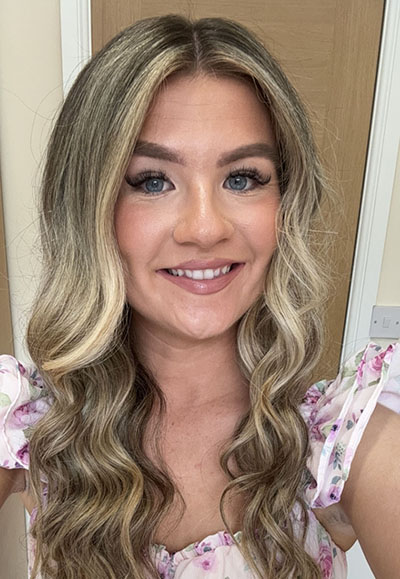
Lauren Murphy (pictured) is a PhD researcher at the Technological University of The Shannon (TUS,) undertaking a study on occupational stigma and self-esteem in the hair and beauty industry. Find out more and participate in Lauren's future research by contacting her at
Lauren.Murphy@tus.ie.
Dr Catríona Murphy is a PhD supervisor, researcher and lecturer at the Technological University of the Shannon (TUS).